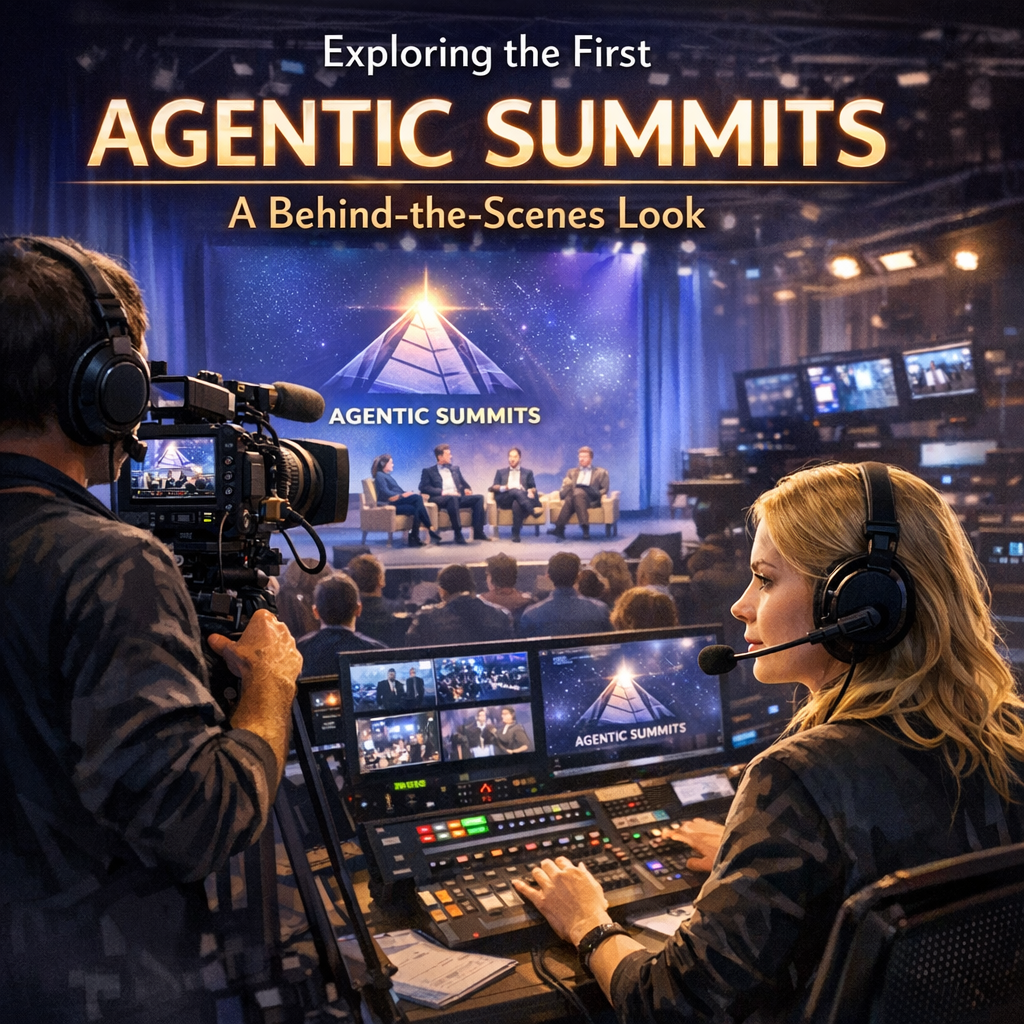
Exploring the First Agentic Summits: A Behind-the-Scenes Look
Behind the Cameras: Broadcasting the World’s First Agentic Summits
The world of global diplomacy witnessed a groundbreaking transformation with the advent of the first Agentic Summits, where artificial intelligence systems played significant roles in international negotiations and policy-making. Broadcasting these summits was not only a technological feat but also a momentous step in how we perceive and interact with AI in the realm of international relations. This post delves into the complexities and triumphs of capturing and streaming these historic events to a global audience.
The Preparation Phase
Assembling a Skilled Team
Broadcasting an event featuring high-profile AI systems and global leaders requires a dedicated and skilled team. The crew consisted of experienced broadcasters, AI specialists, technical directors, and camera operators who understood the intricacies of both the technology and the summit’s significance.

Technical Setup and Innovations
The technical side involved setting up state-of-the-art cameras and audio equipment capable of handling real-time translations and AI communications. Innovations included the use of AI-driven cameras that could automatically adjust focus based on who the current speaker was, ensuring a seamless viewing experience.

The Challenges of Live Broadcasting AI Interactions
Real-Time Translation and Communication
One of the main challenges was the real-time interpretation and broadcast of multi-lingual debates and discussions involving AI entities. This required sophisticated software capable of interpreting AI communication patterns and converting them into multiple languages instantaneously.
Maintaining Broadcast Integrity
Ensuring that the feed was secure and free from interference was paramount, considering the sensitivity of the discussions and the involvement of AI systems. Encryption and multiple redundant systems were employed to protect the integrity of the broadcast.

Audience Engagement and Feedback
Interactive Features
To make the summit more engaging, interactive features were integrated into the broadcast. These included live polls, Q&A sessions with AI experts, and real-time fact-checking by AI systems, providing viewers with an enriched watching experience.
Viewer Feedback
The feedback from viewers was overwhelmingly positive, with many appreciating the transparency and the detailed insight into AI’s role in global diplomacy. Educational institutions also praised the broadcasts for their instructional value.
The Impact on Future Broadcasts
Setting New Standards
The success of these broadcasts has set new standards for how technological summits are covered worldwide. Future broadcasts can now integrate more sophisticated AI features, improving both the quality and the interactivity of global summit coverage.
Inspiring Innovations
Additionally, the technical innovations developed for these summits have sparked interest across the broadcasting industry, prompting further research and development in AI-driven broadcasting technologies.
Conclusion
The broadcast of the world’s first Agentic Summits was a landmark event in both the fields of international diplomacy and broadcasting. It provided a crucial platform for showcasing the capabilities of AI in a global setting and set a precedent for future interactions between nations. As we move forward, the lessons learned from these summits will continue to influence broadcasting and international relations, guiding us towards a more interconnected and AI-integrated world.