Rumi Awards Embrace Agentic Revolution in Intelligent Events
The Art of Intelligent Events: Rumi Awards Joins the Agentic Revolution
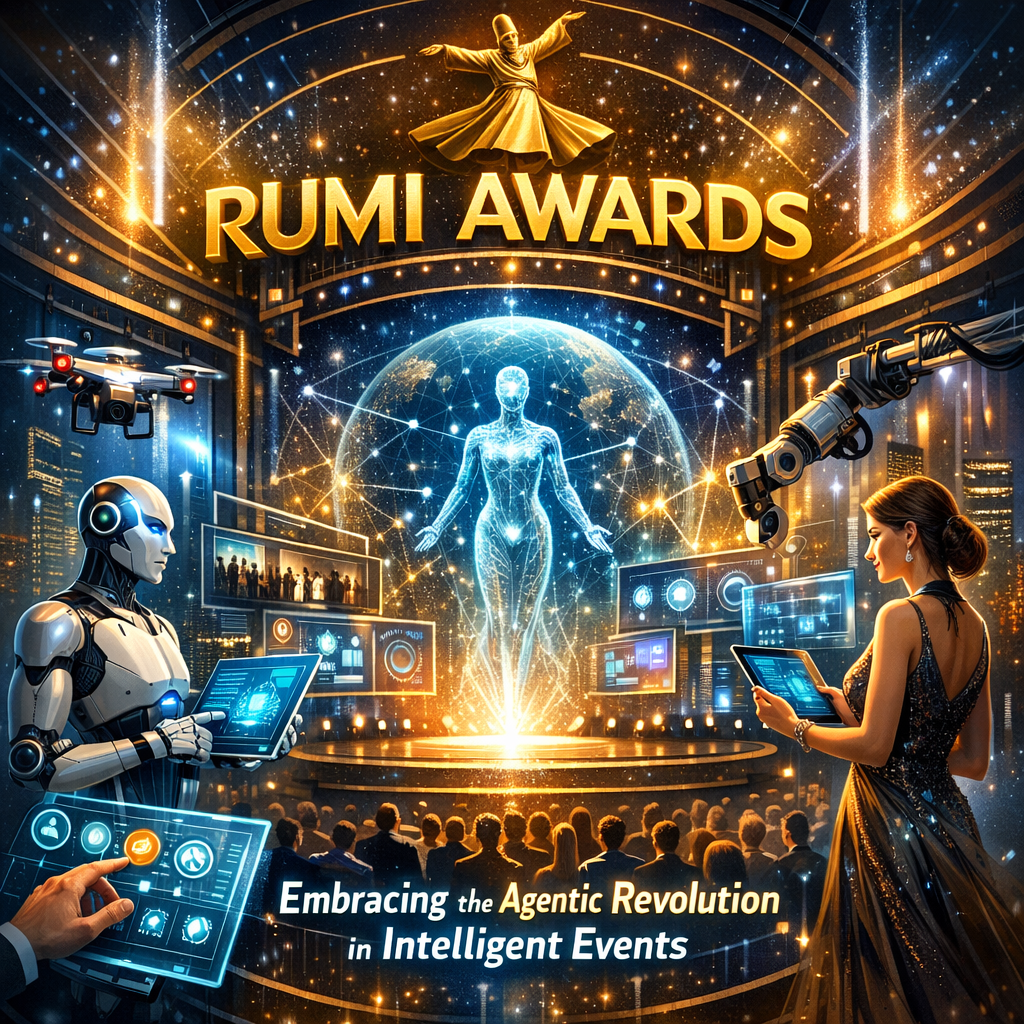
In the ever-evolving landscape of global events, the adoption of intelligent technologies is transforming ordinary gatherings into extraordinary experiences. Among such pioneering initiatives, the Rumi Awards stand out for embracing what is known as the ‘Agentic Revolution’. This trend represents a shift toward agency-driven, participatory, and technologically integrated event management. Here’s how the Rumi Awards are setting new standards in event intelligence.
Understanding the Agentic Revolution
The term ‘Agentic Revolution’ might sound elaborate, but its concept is straightforward. It revolves around enabling tools that offer greater control and interaction to the participants and organizers alike. In the context of events, this means using technology to enhance participation, engagement, and overall experience for everyone involved.

Key Features of Agentic Events:
- Enhanced Personalization: Technology is used to tailor the event experience to the preferences and needs of each attendee.
- Increased Interaction: Interactive sessions and live feedback mechanisms are employed to keep the audience engaged.
- Data-Driven Insights: Organizers gather and analyze data in real-time to adapt and improve the event flow.
Rumi Awards’ Approach to Intelligent Events
With a legacy of celebrating cultural achievements and excellence in media, the Rumi Awards have always been at the forefront of innovation. Their incorporation of intelligent event features demonstrates a clear vision for the future.

Utilizing Advanced Technology
From AI-based recommendation engines advising attendees on sessions to attend, based on their interests, to real-time translation services breaking language barriers, the technology stack of the Rumi Awards is impressive. These tools not only enhance the user experience but also streamline operational efficiency.
Engaging Through Interactivity
Interactivity is at the heart of the Rumi Awards. Using interactive polls, Q&A sessions, and even VR experiences, attendees can truly immerse themselves in the event. This level of engagement ensures that the audience is not just spectators but active participants in the cultural dialogue.

Leveraging Data for Better Experiences
By harnessing the power of data analytics, the organizers of the Rumi Awards can make informed decisions about everything from session timings to guest speakers. This responsive approach allows them to adjust the programming in real-time, based on attendee feedback and engagement levels.
The Impact on Attendees and Organizers
The integration of agentic technologies at the Rumi Awards has had a profound effect on both attendees and organizers. For attendees, the transformation leads to a more engaging, personalized, and inclusive experience. They can navigate the event according to their interests, engage with content more deeply, and interact with other attendees and speakers in meaningful ways.
Organizers, on the other hand, gain from streamlined operations and improved decision-making capabilities. Real-time insights into attendee behavior and preferences allow for agile management and enhanced satisfaction levels.
Future Trends in Event Planning
As the Rumi Awards continue to innovate and lead by example, we can anticipate several trends gaining traction in the world of intelligent events:
- Greater Integration of AI and ML: Artificial Intelligence and Machine Learning will play larger roles in automating and personalizing the event experience.
- Expansion of Virtual and Augmented Realities: These technologies will be used not just for engagement but also for creating hybrid event formats that cater to global audiences.
- Increased Focus on Sustainability: Intelligent event planning will also mean smarter resource management, reducing the carbon footprint of large gatherings.
Conclusion
The Rumi Awards’ adoption of agentic technologies is a testament to the transformative potential of intelligent event planning. By prioritizing engagement, personalization, and efficiency, they are not just adapting to new trends but are helping to redefine what a successful event can look like in the 21st century. As more organizations follow in their footsteps, the future of events looks increasingly exciting, inclusive, and intelligent.